The idea of home is changing fast, and the numbers prove it is not just a lifestyle trend anymore.
A decade ago, an apartment was simply a place people returned to after work. Today, for the young professional logging hours from a laptop, the freelancer between client calls, or the startup founder who needs a whiteboard at midnight, home has become an entirely different proposition. It is a workspace, a social hub, a wellness retreat, and a community, sometimes all within the same building.
This shift is not happening quietly. India’s organised co-living market currently stands at around 0.3 million beds and is projected to grow more than threefold, reaching close to 1 million beds by 2030. According to a JLL India report, the sector is on course to hit ₹1 trillion in the next five years, growing at a CAGR of 17%. That is not a niche experiment, that is a structural shift in how urban India wants to live.
Co-living spaces are also showing a rental arbitrage of up to 35% compared to traditional 1 BHK flats, making them a genuinely compelling financial choice, not just a cultural one. This new wave of housing is quietly but decisively rewriting the apartment culture India has followed for generations, and Navi Mumbai is at the centre of that story.
Why Traditional Apartment Living Is Changing?
The younger generation approaches housing differently. People are moving cities for jobs, working remotely, delaying marriage, or living independently for longer periods. Because of this, the demand for isolated living spaces is shifting towards connected lifestyles.
That is where community living apartments are stepping in. Buyers and renters are now looking for homes that offer both privacy and interaction. They want personal space without feeling disconnected from the world around them.
This trend is becoming stronger in new projects Navi Mumbai, especially in areas attracting younger working populations like Kharghar, Panvel, Ulwe, and Taloja.
Many of these developments now include shared lounges, reading corners, open terraces, gaming zones, and work-friendly common areas. These are no longer “extra amenities.” They are becoming part of modern living expectations.
The Rise of Co-Living Spaces in Navi Mumbai
The growth of co-living Navi Mumbai projects reflects a wider change happening across urban India. Young professionals are choosing flexibility over long-term housing commitments. They want homes that are easier to maintain, socially active, and connected to work zones.
This is why coliving spaces Mumbai and Navi Mumbai are seeing increasing demand from people in their twenties and early thirties.
For many professionals moving from other cities, co-living offers practical advantages:
- Lower overall living costs
- Ready-to-move furnished spaces
- Shared utilities and maintenance
- Easier networking opportunities
- Community-based lifestyle experiences
Unlike older rental systems where tenants lived independently with limited interaction, today’s shared living spaces 2026 model focuses heavily on community engagement.
Movie nights, shared kitchens, rooftop events, fitness groups, and coworking lounges are becoming common parts of residential life.
How Co-Working Spaces Are Becoming Part of Residential Projects?
One major shift redefining modern apartments Navi Mumbai is the integration of workspaces inside residential developments.
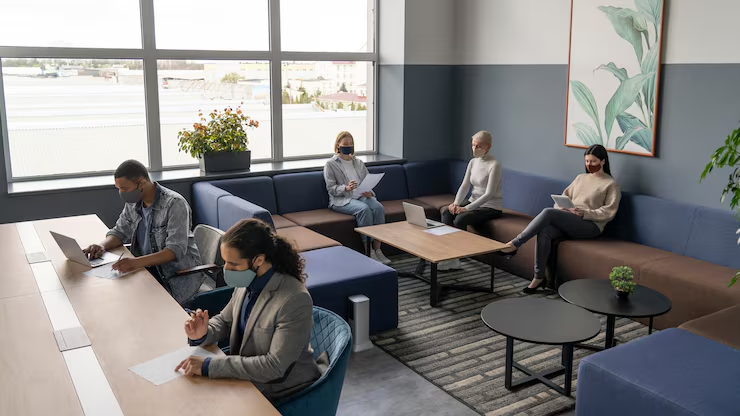
Remote work and hybrid work models changed how people view home layouts. Residents no longer want to work from dining tables or crowded cafés every day. They want dedicated professional environments within their residential community itself.
That is why developers are now including co-working spaces Navi Mumbai buyers can use without leaving their residential complex.
Many new projects Navi Mumbai now feature:
- Shared office cabins
- Zoom meeting rooms
- High-speed Wi-Fi lounges
- Quiet work pods
- Collaborative seating zones
- Café-style work areas
This concept of a coworking residential complex is becoming increasingly popular among young buyers and renters. It creates convenience while also helping residents maintain work-life balance.
For freelancers, entrepreneurs, and hybrid employees, having co-working spaces Navi Mumbai within the same property removes the stress of daily travel and expensive office memberships.
Community Spaces Are Becoming the Heart of New Developments
The biggest difference between old apartment models and today’s community living apartments is the focus on interaction. Developers now understand that people do not only buy homes for interiors. They also buy into lifestyle ecosystems.
That is why community spaces real estate planning has become one of the strongest selling points in residential projects. Shared gardens, yoga decks, amphitheatres, pet parks, rooftop lounges, sports zones, and social seating areas are becoming central features in modern apartments Navi Mumbai.
The idea is simple. Residents should feel connected to their surroundings instead of living isolated lives behind apartment doors. This growing focus on community spaces real estate is also reshaping apartment culture India as a whole. Homes are no longer designed only around individual families. They are being designed around communities.
Why Navi Mumbai Fits This Lifestyle Shift Perfectly?
Navi Mumbai naturally supports this new style of living because of its planned infrastructure and developing urban layout.That is one reason why best co-living apartments in Navi Mumbai 2026 searches are increasing online.
Young professionals are especially drawn towards areas where they can build a lifestyle that feels convenient, connected, and practical at the same time. For many people in their twenties and thirties, daily life now revolves around flexibility. They want shorter travel times, better work setups, social interaction, and affordable living without feeling disconnected from the city.
That is one of the biggest reasons why Navi Mumbai is attracting attention from working professionals, freelancers, startup founders, and remote employees.
Live Close to Transport Networks
Connectivity has become one of the biggest deciding factors while choosing a home. Young professionals do not want to spend hours travelling every single day. Areas connected through railway stations, upcoming metro routes, and major highways naturally become more attractive because they reduce travel stress and improve work-life balance.
With projects linked to the Navi Mumbai Metro, Mumbai Trans Harbour Link, and Panvel–Karjat corridor, residents can move across key business hubs more easily. Better transport access also makes everyday routines smoother, whether it is commuting to work, meeting clients, or simply travelling across the city.
Access Work-Friendly Spaces
Work culture has changed massively in the last few years. Many people now work remotely full-time or follow hybrid schedules. Because of this, buyers and renters are actively searching for homes that support productivity.
Modern residential projects are responding by including co-working lounges, meeting pods, café-style workspaces, and quiet work areas inside residential complexes. Having work-friendly spaces within the same property saves time, improves convenience, and creates a healthier balance between professional and personal life.
Enjoy Community-Based Lifestyles
Younger residents no longer want isolated apartment living where neighbours barely interact. Community-driven spaces are becoming an important part of modern housing culture.
Shared lounges, rooftop seating areas, gyms, gaming zones, cafés, yoga decks, and event spaces help residents socialise naturally and build connections within the same community. For people moving from different cities, this type of environment feels more welcoming and comfortable compared to traditional apartment setups.
Find Affordable Rental and Ownership Options
Affordability continues to play a huge role in housing decisions. Young professionals want homes that fit their income levels without compromising too much on lifestyle or location.
Compared to many parts of Mumbai, Navi Mumbai still offers relatively affordable rental properties and ownership opportunities in developing locations. Buyers can find 1 BHK and 2 BHK apartments with better amenities and planned infrastructure at more manageable price points.
The Future of Community Living Starts with the Right Developer
As lifestyle preferences continue to shift towards smarter and more connected living, developers are also adapting to what modern buyers actually need. Today’s homebuyers are not only looking for square footage. They are looking for communities, work-friendly environments, better amenities, and long-term lifestyle value.
This is where Promesa Realty is aligning with the changing face of urban living. With a focus on future-ready residential spaces and thoughtfully planned developments across Mumbai and surrounding regions, the brand reflects the growing demand for modern housing experiences that combine comfort, connectivity, and community-driven design.
As the demand for co-living Navi Mumbai, community living apartments, and modern apartments continues to grow, buyers are paying closer attention to developers who understand how people actually live today. From work-life balance to shared lifestyle amenities, the future of housing is clearly moving towards more connected and experience-focused spaces.