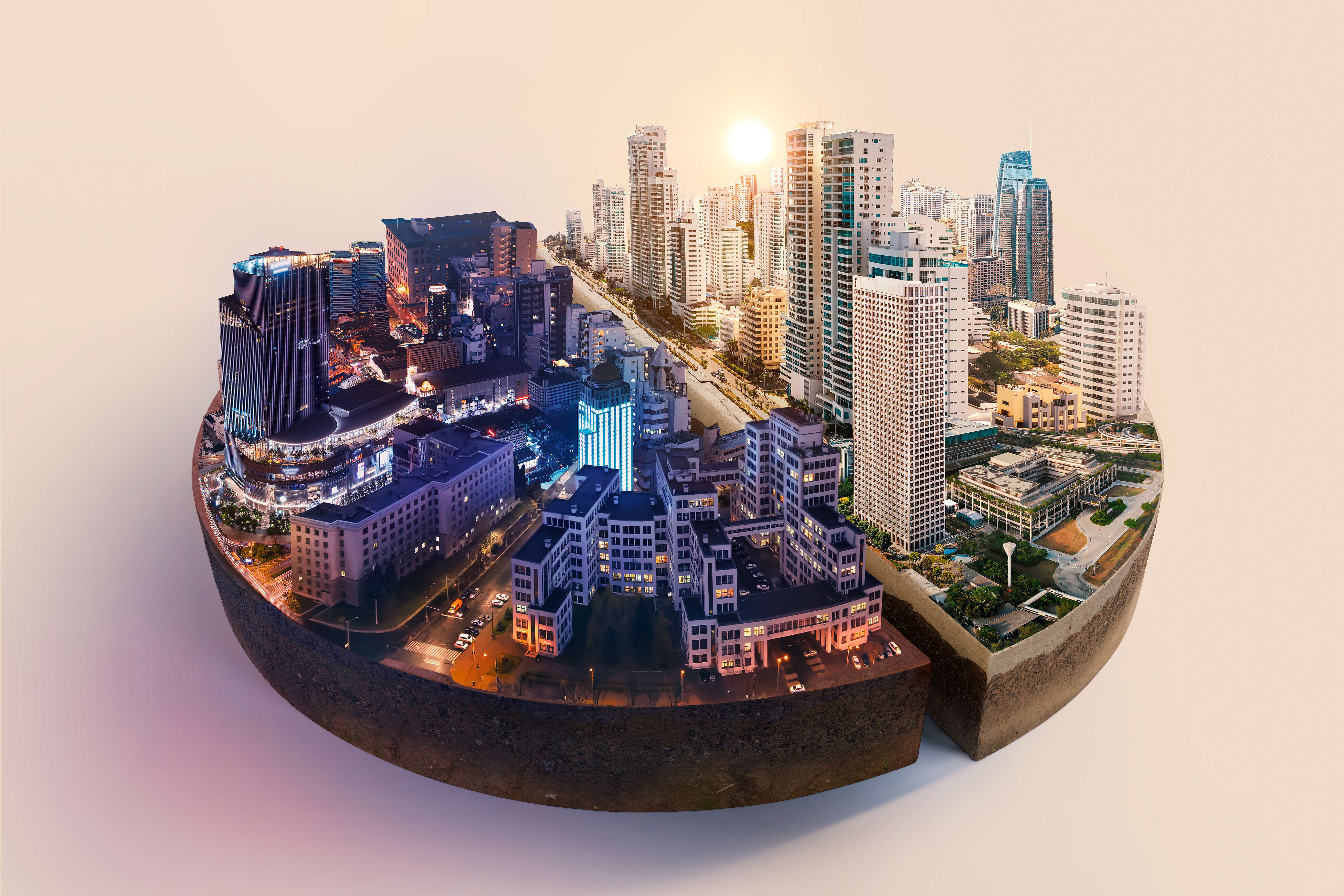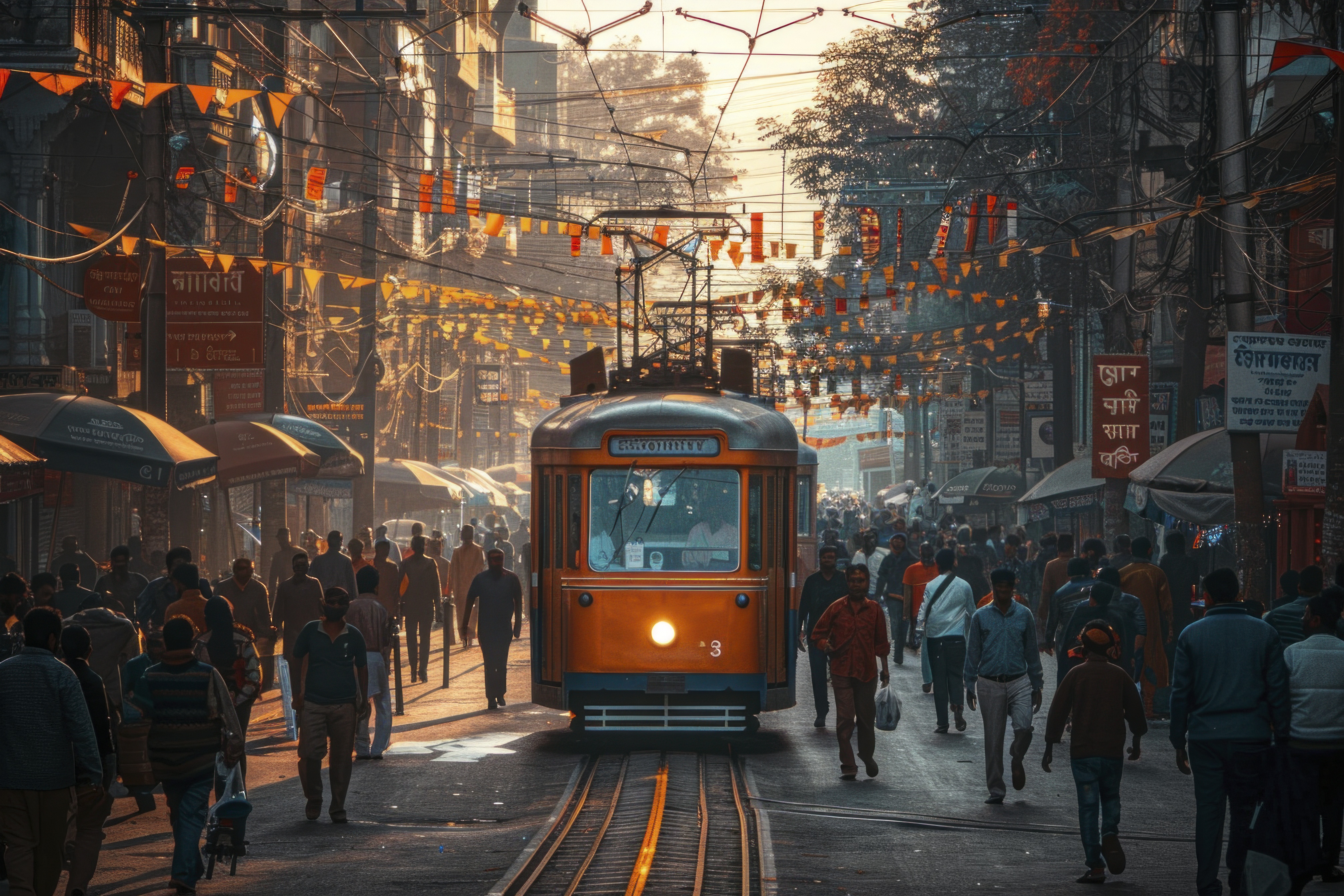
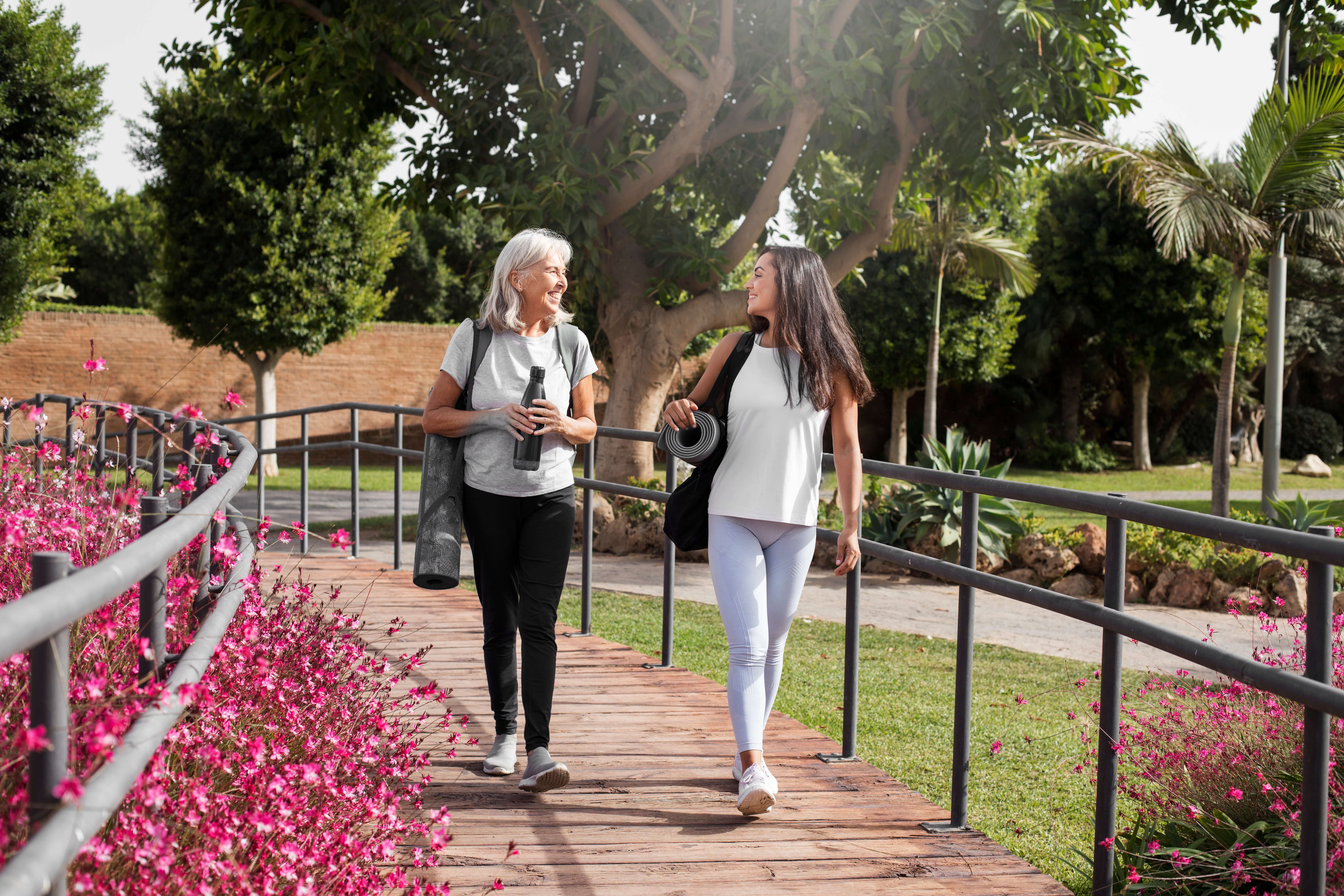
In 2026, real estate will be entering a new era, one driven less by luxury surfaces and more by lifestyle systems that nurture well-being. Wellness, walkability, sustainability, and urban efficiency now sit at the center of buyer expectations. The priority is shifting from “How big is the space?” to “How healthy and convenient is life inside it?”
Across India and especially Mumbai, home seekers are becoming more conscious of the environment, air quality, green infrastructure, and commute-light neighborhoods. Searches aren’t just limited to 3 BHK flats in Mumbai or 2 BHK flats for sale in Mumbai; instead, the focus is on neighbourhoods that support physical, mental, and social well-being.
2026’s New Definition of Desirable Homes
This year will mark a dramatic rise in urban wellness ecosystems that offer:
• High walkability scores
• Cleaner air, natural elements, and biophilic design
• Community zones for connection and movement
• Access to schools, healthcare, and essentials within minutes
• Low-traffic, noise-controlled neighbourhoods
South Mumbai, Bangalore, Pune, and forward-planned US cities like Austin show how compact, walkable living now boosts property value more than amenities alone. Wellness is no longer an add-on; it’s structural.
Why the Shift? — The 2026 Demand Drivers
- Gen Z and Millennial buyers are now the dominant purchasing age group.
• Flexible and remote work means life is lived more locally than ever.
• Growing mental health awareness increases desire for close-to-home convenience.
• AI-backed listings highlight wellness parameters like air quality and walkability.
As a result, premium real estate developers in Mumbai and reputed builders in Mumbai are prioritising open spaces, low-carbon transport access, and wellness-driven planning.
Walkability — Now a Wellness & Investment Metric
Walkability has become a valuation index similar to rental yield or ROI. Investors and families prefer neighbourhoods where daily life flows effortlessly.
Mixed-use walkable developments now outperform standard suburbs because:
• Groceries, schools & offices sit within walking range
• Less time lost to travel means higher life satisfaction
• Micro-economies inside communities stay active
• Higher resale desirability improves long-term returns
This is why walkable city real estate and wellness real estate trends 2026 are currently among the top search terms for urban buyers.
The Rise of 15-Minute Cities in India
The 15-minute city concept, where everything essential is accessible within a short walk, is rapidly scaling across metros. In 2026, we see a strong move toward:
- Mixed-use urban clusters
• Public-first pedestrian circulation
• Private open spaces blended with community greens
• Safe walking & cycling connectivity
• Socially interactive micro-communities
This is reshaping real estate development in Mumbai, with leading real estate developers in Mumbai moving toward integrated smart neighbourhoods offering comfort with conscious living.
Smart Design Meets Greener Homes
Tech + wellness will define architecture in 2026.
Expect homes with:
- Natural ventilation optimised by AI
• Green facades & absorbent outdoor surfaces
• Indoor circadian lighting technology
• Air & water quality sensors
• Sustainable construction materials
The best residential builders in Mumbai and top property developers in Mumbai are already adopting this blueprint.
What 2026 Buyers Are Searching For
Search priorities reflect lifestyle evolution. People want:
What features define a wellness-focused home in 2026?
• Walkability, eco-living & community integration
• Noise-free zones & green recreation layers
• Technology that enhances well-being
Are walkable neighbourhoods more valuable for families?
Absolutely. Walkability boosts convenience, child safety, elder care ease, and quality of everyday living.
Keyword behaviour shows rising queries like:
• best walkable cities to invest in 2026
• 3 bhk flats for sale in South Mumbai
• real estate builders in Mumbai with green-certified projects
• top real estate builders in Mumbai for lifestyle development
What This Means for Real Estate Stakeholders
For Developers
2026 demands green design, connected layouts, and air-positive structures.
For Planners
Urban zoning must prioritise pedestrians, not cars.
For Investors
Wellness and walkability will deliver a stronger appreciation than amenities alone.
The Road to 2030
As AI urban planning, carbon-neutral construction, and compact community models scale, real estate will become more human than the industry. 2026 is only the inflection point; by 2030, “healthy cities” won’t be an innovation; they’ll be a standard.
Homes of tomorrow are not just owned, they are lived in deeply, healthier, and closer to everything that matters.
If you’re exploring 3 BHK flats in Mumbai or considering a 2 BHK flat for sale in Mumbai, prioritize neighbourhoods that offer walkability, breathable greens, and wellness-forward planning. These will define property value and liveability in the future.
To browse upcoming wellness-driven real estate insights, visit Promesa Realty, where tomorrow’s living begins today.