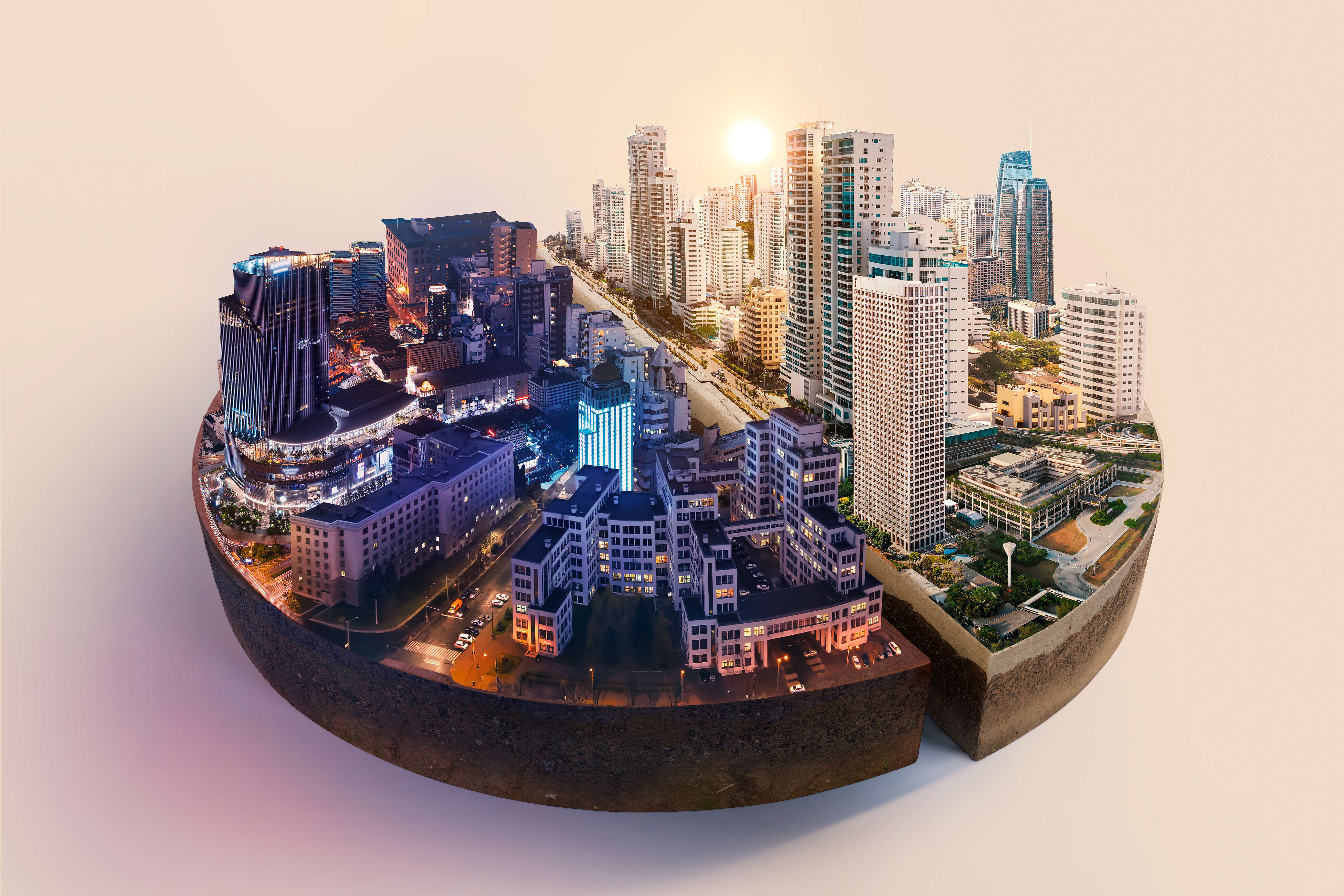

What Defines Tier-1 and Tier-2 Cities in India?
India’s real estate market is buzzing again after the recent RBI rate cut, which has made home loans more affordable and brought a fresh wave of buyers back into the market. But this renewed demand is unfolding differently across the country, especially between Tier-1 metros and Tier-2 growth cities.
Tier-1 cities like Mumbai, Bengaluru, Delhi NCR, and Hyderabad are India’s most developed metros, offering advanced infrastructure and strong employment clusters. In markets like Mumbai, buyers continue to explore options such as 2 BHK flats for sale in Mumbai, 3 BHK flats in Mumbai, and premium homes by top real estate builders in Mumbai known for quality-driven residential development.
Tier-2 cities such as Jaipur, Ahmedabad, Coimbatore, Surat, and Indore are witnessing massive transformation. They offer improving connectivity, affordable homes, and rising job opportunities. These cities appeal to value-conscious buyers and investors who want growth but not the price tag of metros.
With home loans now cheaper, the contrast between mature Tier-1 stability and high-potential Tier-2 affordability is more relevant than ever.
Why Are Rate Cuts Impacting Real Estate in Both Tiers?
Rate cuts influence real estate more than most sectors because a large portion of Indian homebuyers rely on home loans. When the RBI lowers the repo rate, banks reduce home loan interest rates, making EMIs cheaper and improving buyer confidence.
According to the RBI Residential Asset Price Monitoring Survey (2023), 60% of urban homebuyers in major cities depend on housing loans. This means even a small EMI reduction encourages buyers to act faster.
In Tier-1 cities, the impact is steady. High-income households use this opportunity to upgrade to larger homes such as 3 BHK luxury flats in Mumbai or premium residences from leading real estate developers in Mumbai known for high-quality construction.
In Tier-2 cities, the effect is stronger. Since property prices are lower, a ₹2,000–₹5,000 EMI drop makes a significant difference for salaried buyers.
The ANAROCK Consumer Sentiment Survey 2024 recorded a 20–25% increase in enquiries in Tier-2 markets following the rate cut.
Is Tier-1 or Tier-2 City Real Estate Growing Faster Post–Rate Cut?
The post–rate-cut demand surge is visible nationwide, but Tier-2 cities are expanding faster.
Sales Growth
According to ANAROCK’s Housing Market Update (Q2 2024):
- Tier-1 cities: 10–12% rise in quarterly sales
- Tier-2 cities: 20–25% growth, driven by affordability and rising local incomes
Price Appreciation
As per the Knight Frank India Real Estate Report 2024:
- Tier-1 cities: 4–6% YoY price appreciation
- Tier-2 cities: 8–12% appreciation, especially Jaipur, Lucknow, Indore, Ahmedabad
Value vs Volume
Tier-1 cities, especially Mumbai, still dominate in value thanks to premium projects by reputed builders in Mumbai, premium real estate developers, and top builders in Mumbai attracting end-users, NRIs, and luxury buyers.
Tier-2 markets lead in volume, reflecting a larger pool of mid-income buyers.
Market Sentiment
The Magicbricks PropIndex 2024 shows:
- Tier-1: strong long-term investor confidence
- Tier-2: highest surge in enquiries from younger buyers
Overall, Tier-2 cities are the faster-growing segment, while Tier-1 retains its stability and premium appeal.
What Factors Are Driving Growth in Tier-2 Cities?
Tier-2 markets are benefiting from a combination of affordability, infrastructure growth, rising incomes, and local economic expansion.
Affordability
Property prices in Tier-2 cities are 40–60% lower than Tier-1 metros (ANAROCK Price Tracker 2024), making homeownership far more feasible after the EMI reduction.
Infrastructure Boom
Under the Smart Cities Mission, Tier-2 cities have gained:
- Metro projects
- New airports
- Upgraded highways
- Industrial corridors
Surat, Ahmedabad, Jaipur, and Coimbatore are strong examples.
Growing Middle-Class Spending Power
PwC India (2023) notes that emerging cities have faster income growth than metros, fueling demand for gated communities, plotted developments, and mid-income apartments.
Job Market Expansion
Sectors like IT/ITeS, textiles, logistics, and engineering are expanding operations to Tier-2 locations, increasing demand for quality housing.
How Are Tier-1 Cities Responding to the Rate Cut?
While Tier-2 cities show rapid growth, Tier-1 markets remain strong and stable, particularly Mumbai, a city that consistently attracts both homebuyers and investors.
Demand for 3 BHK flats for sale in South Mumbai, 2 BHK flats in South Mumbai, and luxury residences in prime micro-markets continues to rise. This demand is supported by premium real estate developers in Mumbai, best residential builders in Mumbai, and top property developers who focus on high-end design, amenities, and long-term value.
Rental yields in Tier-1 markets also remain strong due to deep job markets and sustained migration.
What Should Investors and Homebuyers Consider?
Choosing between a Tier-1 and Tier-2 city depends on your goals:
- Choose Tier-1 cities (like Mumbai) if you want stability, long-term appreciation, and trusted projects from top builders and developers in Mumbai or leading real estate developers.
- Choose Tier-2 cities if you want faster appreciation at a lower entry price.
Buyers in Mumbai can explore offerings from real estate developers in Mumbai, including premium townships and high-rise developments designed by the best builders and developers in Mumbai.
The Road Ahead for India’s Tier-1 and Tier-2 Real Estate Markets
The rate cut has reshaped real estate momentum across the country. Tier-1 metros, especially Mumbai, continue to be powered by reputed builders, residential developers, and top real estate builders in Mumbai known for premium construction quality and consistent rental demand.
Meanwhile, Tier-2 cities are enjoying faster affordability-driven growth, backed by infrastructure investments and expanding job hubs.
Whether you’re exploring 3 BHK flats in Mumbai, evaluating 2 BHK flats for sale, or considering high-growth Tier-2 opportunities, the current market cycle offers strong choices across all tiers. The best cities for real estate investment in India will ultimately depend on your goals but both tiers are positioned for healthy, sustained growth in the coming years.